
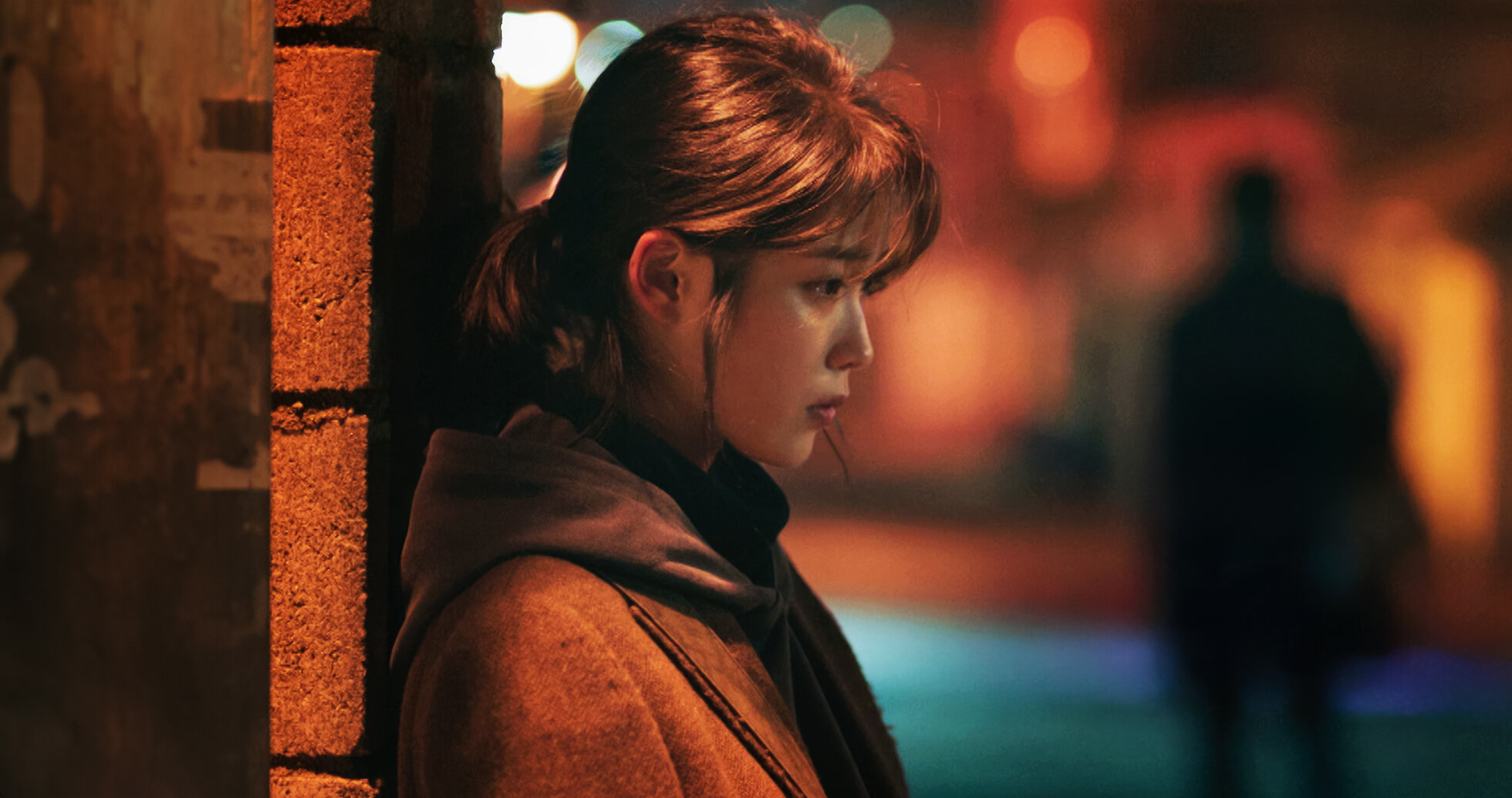
There’s something oddly comforting about sitting in the dark, a bowl of ramen in hand, letting a K-drama unfold on the screen. Maybe it’s the quiet hum of Seoul’s city lights, maybe it’s the way characters cry so freely when we can’t — or maybe, just maybe, it’s because K-dramas have become the modern ritual for people learning to be alone without feeling lonely.
The Solitude That Doesn’t Hurt
We live in a time where solitude often feels like failure — as if every silent evening is proof that you’re missing something. But turn on a Korean drama, and suddenly, the silence feels full. The stories don’t rush to fill the emptiness; they sit in it with you.
When My Mister aired, many viewers said it felt less like watching TV and more like being seen. The characters weren’t extraordinary — just tired, decent people trying to get through life with small acts of kindness. And that’s the magic: K-dramas often remind us that life’s weight isn’t meant to be erased, just shared, even if it’s through a screen.
The Emotional Fluency We Secretly Crave
Western television often prizes sarcasm, distance, and cool detachment. K-dramas, on the other hand, offer emotional fluency — an unapologetic willingness to feel. Tears aren’t embarrassing. Long gazes aren’t awkward. The smallest moments, like a hand on someone’s shoulder, can hold entire conversations.
For solo watchers, this becomes therapeutic. Watching characters stumble through heartache, loss, or redemption gives shape to emotions we can’t always name. It’s like emotional translation — someone feeling for you until you’re ready to feel again yourself.
How Streaming Changed the Ritual
It used to be that watching dramas was a communal thing — families gathered after dinner, neighbors swapped DVDs. But streaming changed that. Now, we watch alone, late at night, in bed, headphones in.
And yet, platforms like Drama Cool have reimagined solitude as connection. You might be alone in your apartment, but you’re part of a quiet, global audience all doing the same thing — seeking comfort in the same stories. The shared solitude becomes its own form of togetherness.
I like to think of it as digital empathy: people in different time zones crying over the same scene, rooting for the same couple, or laughing at the same misunderstanding. The internet didn’t kill community — it just moved it to another frequency.
Characters Who Become Companions
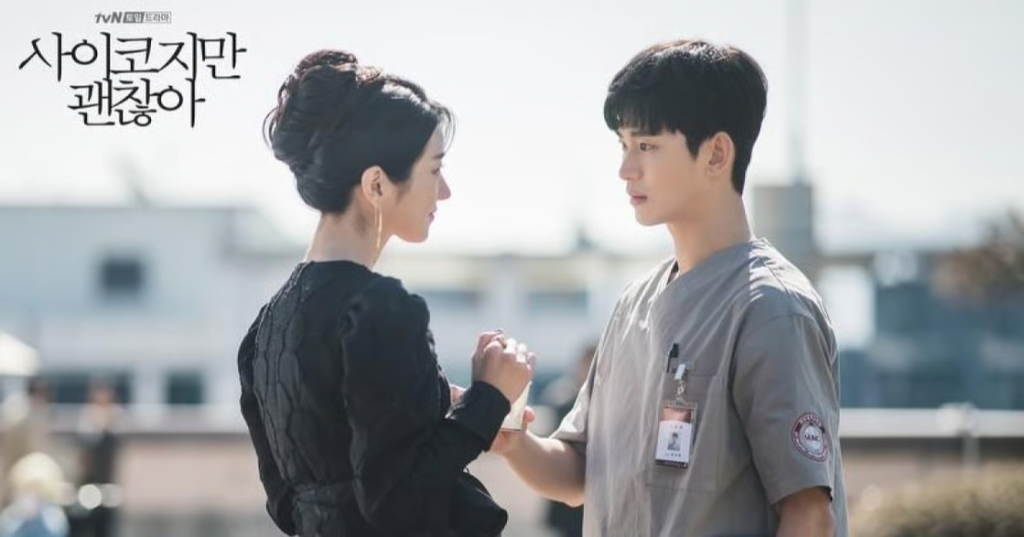
Spend enough time in the world of K-dramas, and you’ll start treating fictional characters like old friends. You know their quirks, their pain, their favorite snacks. You might even miss them once the credits roll.
There’s no shame in that. When It’s Okay to Not Be Okay aired, the lead characters taught us that healing doesn’t always happen in big moments — sometimes, it happens when someone simply stays. And that’s exactly what K-dramas do for viewers: they stay.
Every episode feels like a quiet promise — that tomorrow will come, that people can change, that love (in all its forms) still matters.
The Unspoken Invitation
Maybe that’s why so many people now treat K-dramas as part of their self-care routine. They’re not escapism — they’re soft reminders. A break from cynicism. A hug you didn’t have to ask for.
So, the next time you open Drama Cool and scroll for something to watch, don’t think of it as “killing time.” Think of it as a conversation — one between you and a story that understands how hard it is to keep going sometimes.
Because the truth is, watching alone doesn’t have to mean being alone. Sometimes, the screen glows not to distract you from life, but to keep you company through it.
