
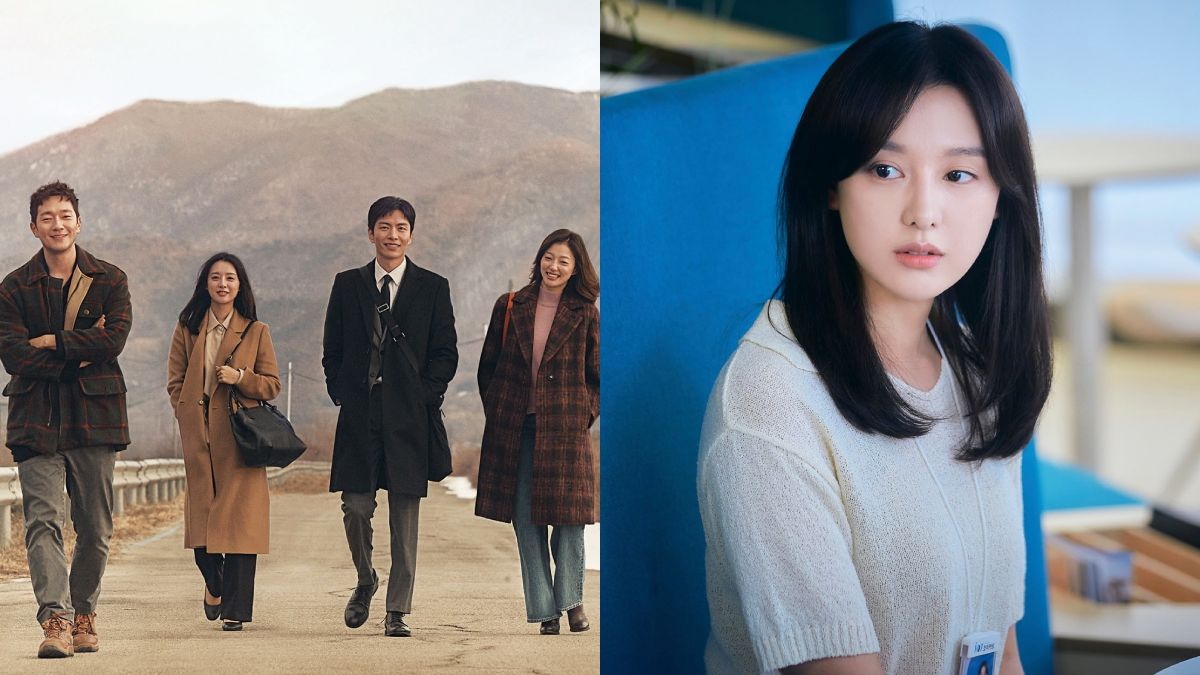
Most people turn to K-dramas for romance, suspense, or a comforting binge after a long day. But if you’ve watched enough of them, you start to realize something deeper is happening: they’re quietly teaching us how to feel.
Not in the over-the-top, tear-soaked way people sometimes imagine — but in subtle, emotionally literate ways that Western media often skips. Beneath the love triangles and slow-motion stares, K-dramas are small masterclasses in emotional intelligence.
The Art of Naming Feelings
In real life, we often rush to fix emotions instead of acknowledging them. But K-dramas linger. They let sadness exist without solving it immediately.
When you watch It’s Okay to Not Be Okay, or My Liberation Notes, you see characters learning to name their pain. “I’m lonely.” “I’m exhausted.” “I want to disappear.” These aren’t melodramatic outbursts — they’re moments of honesty that teach viewers emotional vocabulary.
It’s strange how watching someone else cry onscreen can make it easier to understand your own tears. Maybe that’s why these shows feel less like entertainment and more like quiet therapy sessions you didn’t know you needed.
Listening as an Act of Love
K-dramas also redefine what emotional support looks like. In many scenes, love isn’t expressed through grand gestures, but through listening — really listening.
A friend doesn’t rush to give advice; they sit in silence. A parent doesn’t scold; they offer food instead. Emotional intelligence in K-dramas often shows up in the simplest moments — the soft hum of empathy that says, “I see you, even if I don’t have the right words.”
That’s an underrated lesson for real life. Sometimes, you don’t need to fix people. You just need to witness them.
The Power of Pausing
Have you noticed how often K-dramas pause before a big emotional scene? A breath. A glance. A long silence before someone finally says what they mean.
It’s the opposite of Western storytelling, which often prizes speed and confrontation. Korean narratives give emotions room to breathe. Watching on platforms like Drama Cool, you can almost feel your own heartbeat slow down as the scene unfolds.
It’s a reminder that understanding emotion — in ourselves and others — requires patience. You can’t rush empathy. You have to sit still long enough to feel it.
Imperfection as Emotional Honesty
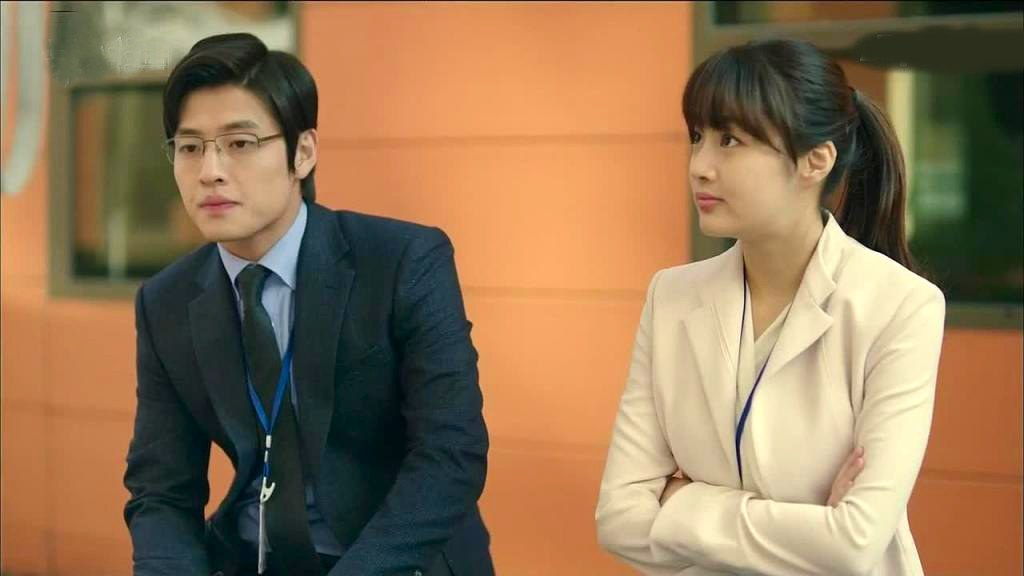
K-dramas are rarely about perfect people. They’re about flawed, sometimes awkward characters trying to do their best. And that imperfection is exactly what makes them emotionally intelligent.
In Misaeng or My Mister, characters don’t always say the right thing. They misunderstand, overreact, or stay silent when they should speak up. But they grow. Slowly. Honestly.
That kind of growth reflects real emotional maturity — not in the form of “positive thinking,” but in the courage to stay present with discomfort.
Why Global Audiences Connect
You don’t have to be Korean to understand what these shows are saying. The language of empathy, quiet resilience, and emotional honesty is universal.
That’s part of why the global fanbase continues to grow. People around the world recognize themselves in these stories — their stress, their hopes, their longing to be understood. Watching a K-drama online isn’t just entertainment; it’s emotional translation across cultures.
Streaming sites like Drama Cool make that bridge possible — connecting viewers who might never meet, yet feel the same ache at the same line of dialogue.
Final Thought
If you think about it, K-dramas don’t just tell us what love looks like. They show us how to love better — through patience, communication, and empathy.
Maybe that’s why, long after the finale, we still remember certain scenes. Because they’ve subtly rewired how we think about emotions — not as something to suppress, but something to listen to, learn from, and share.
So next time you find yourself tearing up during a quiet moment, don’t brush it off. That’s not weakness. That’s understanding.
And maybe, without realizing it, you’re becoming a little more emotionally fluent — one episode at a time.
