

Korean dramas are famous for their gripping romance, thrilling plots, and emotional twists—but one often overlooked aspect is how they use food as a storytelling device. In many series, meals do more than fill the screen; they reveal character traits, relationships, and cultural subtleties. Watching these moments online on platforms like Drama Cool lets you slow down and savor the narrative flavors along with the literal ones.
Food as Emotional Expression
Food scenes often serve as emotional shorthand. A character preparing a home-cooked meal can signify love, care, or reconciliation. In Because This Is My First Life, sharing a homemade dinner becomes a medium for communication, revealing vulnerability and connection where words might fail. Even casual meals can carry subtext: who cooks, who eats first, and what they choose to serve often signals relationship dynamics.
Bonding Through Shared Meals
Many K-Dramas showcase how meals create bonds. Weightlifting Fairy Kim Bok Joo portrays friends gathering over fried chicken, ramen, or lunch boxes, turning everyday meals into memorable bonding moments. Watching online, viewers can replay these scenes to notice the subtle expressions and interactions that make them so authentic. Food scenes often highlight humor, tension, and the small joys that sustain friendships and romance alike.
Cultural Insight Through Cuisine
Food in K-Dramas also provides cultural education. Traditional dishes like bibimbap, tteokbokki, and kimchi are often shown with preparation and serving rituals intact, giving international viewers a window into Korean culinary culture. Even modern fusion dishes reflect contemporary Korean society. Streaming services like Drama Cool allow viewers to pause, look up recipes, or research ingredients, enhancing both understanding and appreciation.
Symbolism in Culinary Choices
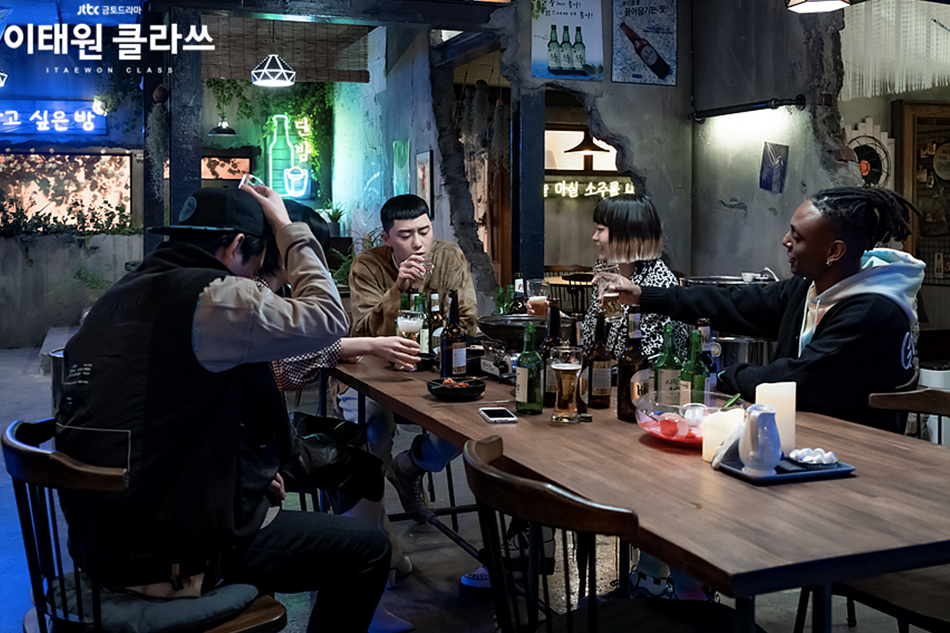
Writers often use specific dishes symbolically. Sweet desserts may accompany romantic confessions, spicy foods may mirror conflict or passion, and comfort foods often appear in healing or reflective moments. In Itaewon Class, the protagonist’s restaurant becomes a narrative hub where personal growth, ambition, and romance converge, making the food itself almost a character.
Tips for Enhancing the Viewing Experience
- Observe gestures: The way characters serve, eat, or share food communicates subtle emotions.
- Learn recipes: Try recreating meals to deepen your connection to the drama.
- Reflect on context: Food often appears in key story beats—notice timing and placement.
- Use streaming features: Platforms like Drama Cool make it easy to pause and examine these rich moments.
- Discuss with friends: Food-centered scenes make excellent discussion topics for watch parties.
Conclusion
K-Dramas elevate food beyond sustenance, turning it into an essential storytelling tool that conveys emotion, culture, and relationships. Whether it’s a cozy dinner, a messy snack, or a bustling restaurant scene, food adds texture to the narrative and deepens our connection to the characters. Watching online on platforms like Drama Cool lets you enjoy these moments at your own pace, savoring both the story and the cuisine.
Which K-Drama meal scene made you want to reach through the screen and take a bite? Food has a way of connecting hearts, and in these dramas, it often speaks louder than words.
