
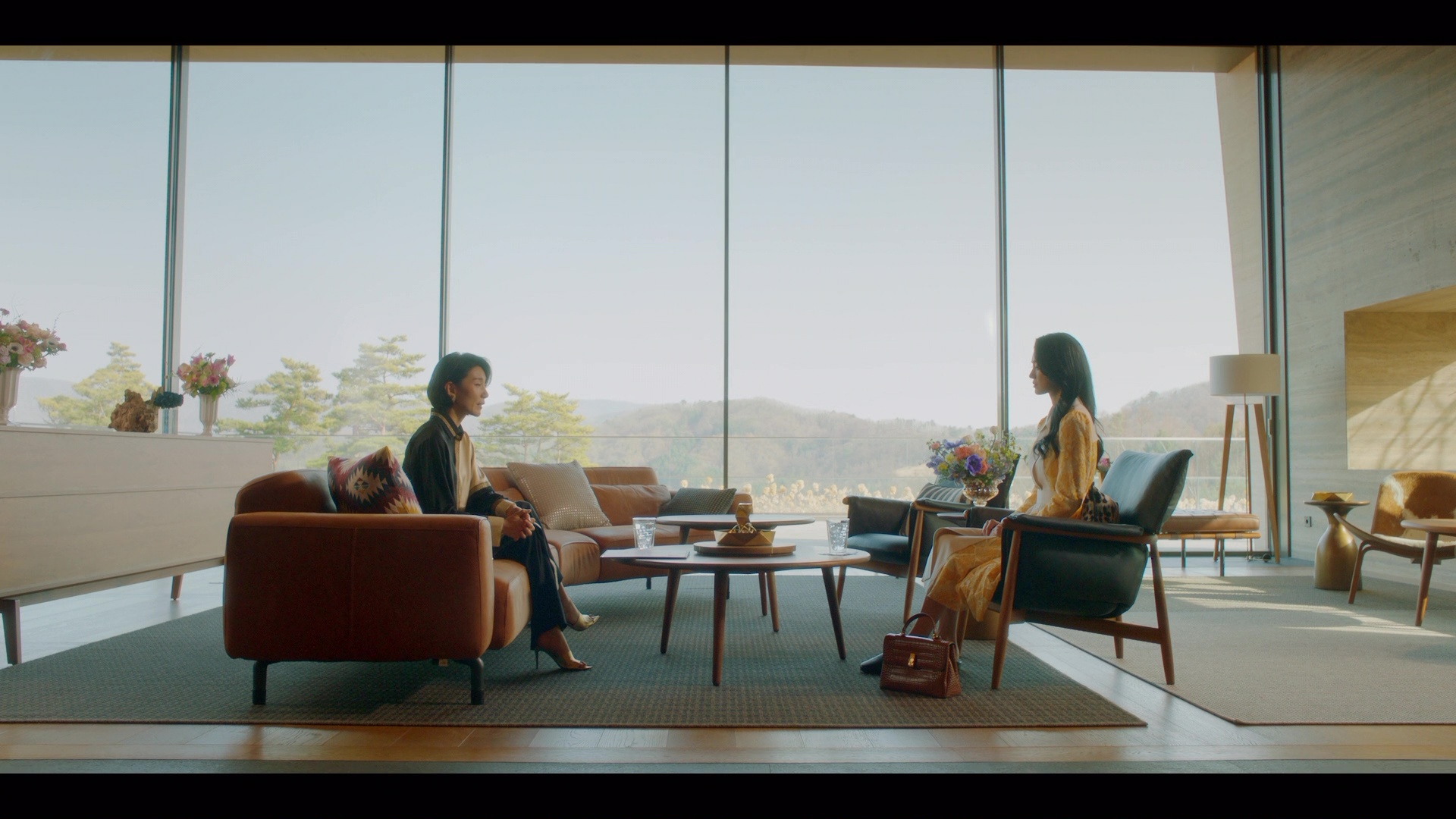
When viewers fall in love with a Korean drama, they don’t just remember the characters — they remember where those characters lived.
From the tidy rooftop studio in Start-Up to the warm, plant-filled kitchen in Our Blues, the homes themselves carry emotional meaning.
K-dramas have quietly redefined what “comfort” looks like — not through luxury, but through atmosphere. And as audiences worldwide mirror those details in their own living spaces, a subtle cultural exchange is unfolding: one built around warmth, calm, and connection.
The Hidden Language of K-Drama Interiors
In Korean storytelling, a home isn’t just a background. It’s a character.
Directors and designers use color, texture, and light to externalize emotion.
Think of the pastel-toned apartment in Because This Is My First Life — minimalist yet deeply human. Every object seems chosen with purpose: soft lighting, linen curtains, muted walls.
It’s not extravagant, but it feels lived in.
Contrast that with the grand, glassy penthouses of The Penthouse or Mine: these spaces scream power, distance, and isolation. The viewer feels the chill, long before the script confirms the tension.
K-dramas teach us that design can whisper emotional truth — long before dialogue does.
Why Global Audiences Find Korean Spaces So Calming
The appeal isn’t only aesthetic. It’s psychological.
K-drama interiors reflect a cultural value known as 정 (jeong) — an emotional warmth and connection that exists between people and the spaces they share.
The balance of simplicity and softness offers a form of quiet healing.
When you see a scene lit by morning sun filtering through lace curtains, you feel it — that gentle invitation to pause.
Western design often prioritizes individuality and statement; Korean spaces emphasize coexistence and emotional clarity.
That’s why so many fans describe certain K-dramas as “visual therapy.” The home becomes a sanctuary, not a status symbol.
From Screen to Reality: A Design Movement Emerges
Search hashtags like #KDramaHome or #SeoulApartment on social media, and you’ll find thousands of real-world recreations — from small studio corners to entire homes inspired by shows.
Some recreate Ji-eun’s desk setup from My Liberation Notes — simple, wooden, facing a window. Others emulate the open kitchen from Hometown Cha-Cha-Cha, complete with ceramic mugs and potted herbs.
It’s more than décor. It’s a quest for emotional alignment — a desire to live within a space that mirrors inner calm.
K-dramas have, unintentionally, become a manual for emotional design.
The Role of Light and Space in Storytelling
Few global dramas use light the way Korean series do.
Daylight is symbolic of honesty; warm evening tones represent intimacy. Narrow alleys or cozy rooms often frame self-reflection scenes — reinforcing the intimacy between viewer and character.
The use of physical space — stairs, balconies, rooftops — mirrors emotional hierarchy. A character climbing stairs might also be ascending emotionally; a rooftop often signals freedom.
Such architectural metaphors give even the simplest set a sense of poetry.
What We Can Learn From K-Drama Homes
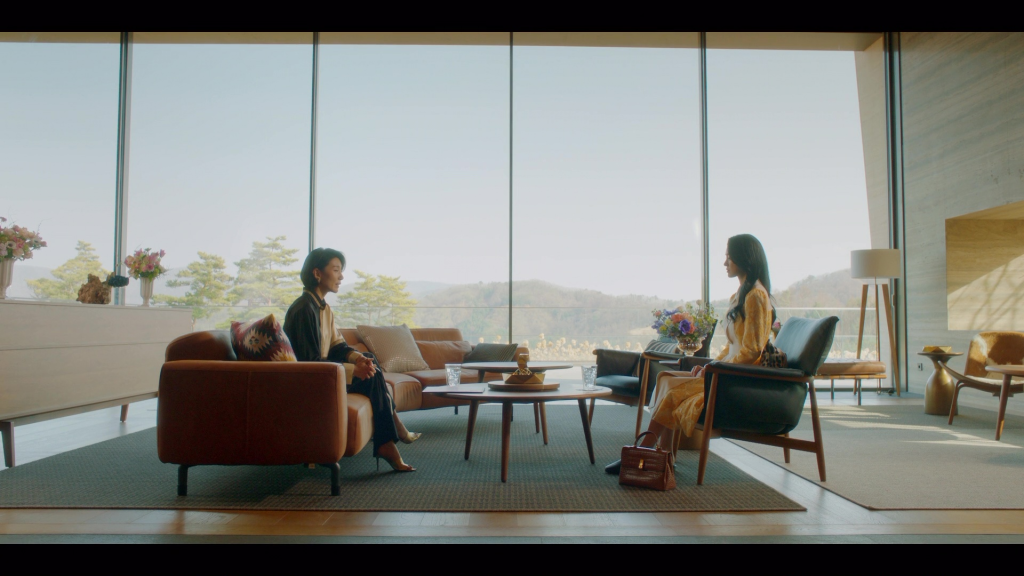
You don’t need a Seoul apartment to live like a K-drama character.
You need intentionality.
- Use natural textures. Wood, linen, and ceramics soften emotional tone.
- Embrace small spaces. Coziness can feel expansive when balanced with light.
- Design for routine. In many dramas, comfort comes from daily rituals — brewing tea, opening a window, watering plants.
- Let imperfection breathe. A mug left on the table or a slightly crooked book stack makes a home feel human, not staged.
What K-dramas remind us is that aesthetic calm equals emotional grounding.
Closing Reflection
As global audiences chase peace in a chaotic world, the Korean drama home offers a kind of quiet blueprint:
Live simply. Feel deeply. Surround yourself with gentleness.
These homes are not fantasies — they’re reflections of emotional intelligence made visible.
And in that, perhaps K-dramas aren’t teaching us how to decorate — but how to dwell, with presence and care.
