
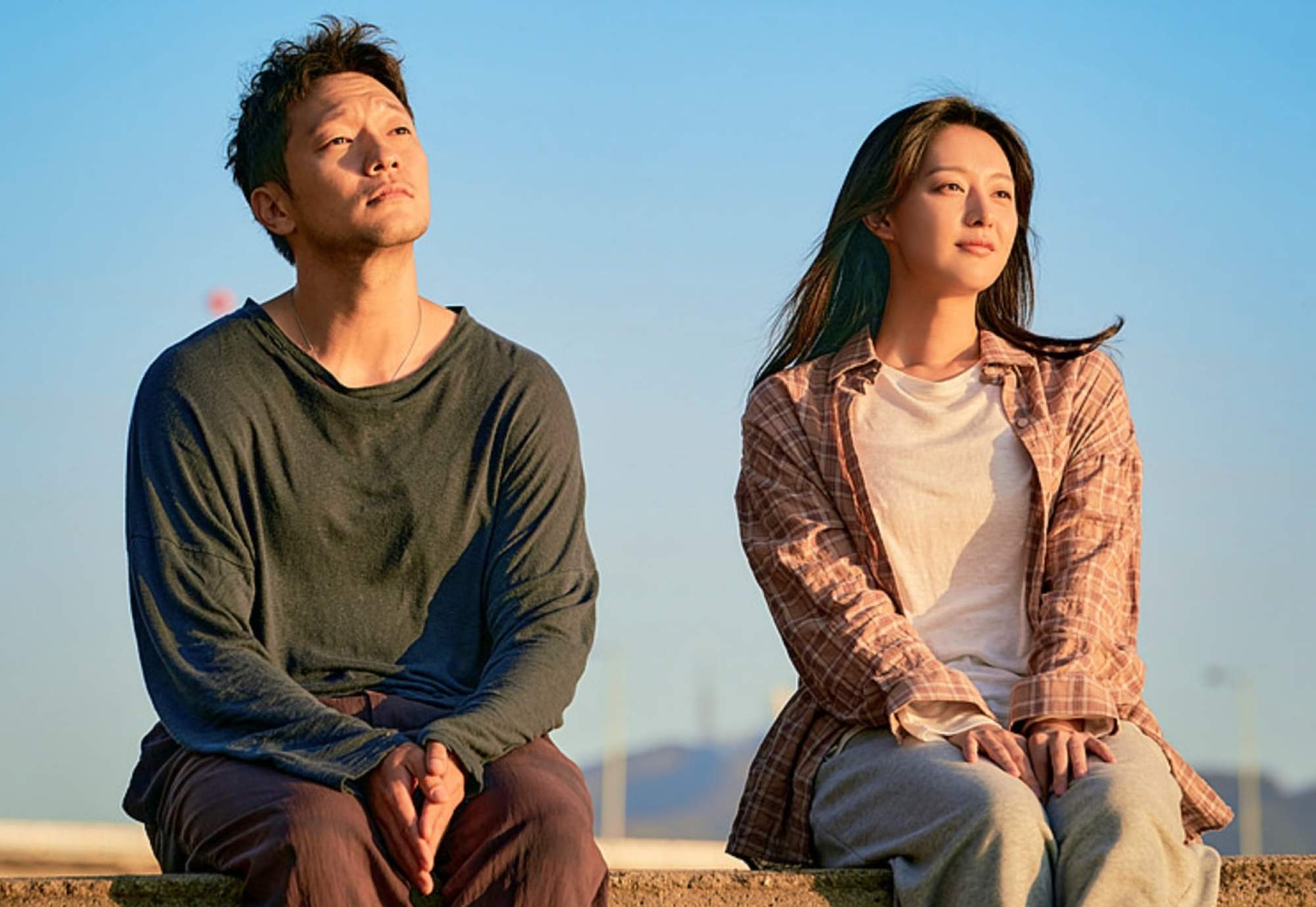
For a long time, TV shows avoided showing vulnerability unless it was wrapped in comedy or tragedy. But in recent years, Korean dramas have stepped into a new role — not just as romantic escapes, but as mirrors reflecting our emotional lives.
Without big speeches or clinical jargon, K-dramas have been quietly dismantling the stigma around mental health — one empathetic character at a time.
The Soft Power of Storytelling
Mental health topics can be heavy. But what K-dramas do so well is humanize them. They take what could be a “social issue” and turn it into a story about someone you could actually know.
In It’s Okay to Not Be Okay, mental illness isn’t used for shock value — it’s portrayed with tenderness. The series explores trauma, emotional suppression, and recovery, but through fairytale metaphors and small, believable moments of healing.
What makes this approach powerful is subtlety. Instead of medicalizing pain, it normalizes it. Characters cry, make mistakes, and sometimes can’t get out of bed — and the world doesn’t end because of it. It’s storytelling that whispers: “You’re not broken. You’re human.”
When Sadness Becomes Relatable, Not Shameful
For decades, Korean entertainment followed the cultural norm of endurance — showing strength meant not showing weakness. But newer K-dramas challenge that idea directly.
Take My Liberation Notes. It’s not a show filled with explosive plot twists. Instead, it’s about the exhaustion of modern life — long commutes, emotional distance, the quiet ache of not knowing what’s missing. Yet it hit a nerve worldwide. Why? Because that emptiness felt real.
The series didn’t glamorize depression or fix it neatly; it simply allowed characters to exist in it, to search slowly for meaning. That honesty connects with viewers far beyond Korea — especially in cultures where emotional restraint is the norm.
Beyond Therapy: The Everyday Language of Healing
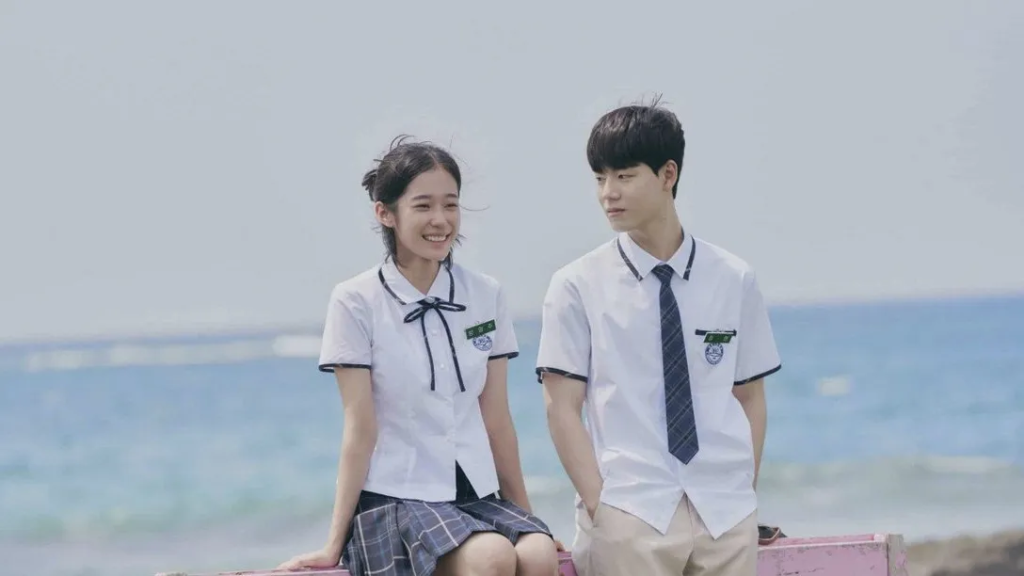
One of the most beautiful shifts in K-drama writing is how healing isn’t shown as a destination. It’s often depicted as a conversation, a meal, a shared walk, a small act of kindness.
In Extraordinary Attorney Woo, autism and social anxiety are not turned into plot devices; they’re part of the texture of everyday life. The show’s brilliance lies in showing empathy as something ordinary, not heroic.
The same goes for Our Blues, where the residents of Jeju Island carry grief, loneliness, and regret — but also humor and grace. Healing happens through community, through showing up for one another in quiet, non-dramatic ways.
This grounded portrayal helps viewers see mental well-being as something woven into routine, not isolated in therapy sessions or crises.
The Global Ripple Effect
When these shows started streaming globally — often through platforms like Drama Cool, where accessibility meets curiosity — they didn’t just entertain; they educated.
Western audiences, used to more overt depictions of therapy and breakdown, found comfort in the restraint of K-dramas. There’s something profoundly soothing about seeing healing as soft persistence rather than grand transformation.
And for Asian viewers across the diaspora, these stories provided language for feelings they were taught to hide. Suddenly, it was okay to talk about burnout, emotional distance from parents, or the anxiety of not being enough.
That’s cultural diplomacy of the heart — and K-dramas have mastered it.
Why This Matters
When entertainment normalizes mental health conversations, it reshapes social empathy.
You start seeing it ripple into real life — people journaling, taking walks, texting friends instead of bottling things up.
That’s the unseen legacy of K-dramas. They don’t just make us feel something for an hour; they leave emotional fingerprints that linger in our daily lives.
Personally, I think that’s the real genius of this wave of storytelling. It’s not about glamorizing pain — it’s about acknowledging it. About teaching us to listen when someone says they’re tired, not to fix them but to stay with them.
Because sometimes, healing starts with simply being witnessed.
Conclusion: The Story Isn’t Over
K-dramas are evolving. They’re still romantic, still beautiful, but increasingly grounded in emotional realism. By showing that vulnerability is not a flaw but a form of connection, they’re gently shifting pop culture’s emotional vocabulary.
Maybe that’s why people keep returning to watch these shows online — not just for escape, but for empathy. Because in the quiet spaces between the plotlines, they find something that feels like home.
