
There’s something undeniably romantic about K-dramas — it’s not just the sweeping romantic gestures or the heart-thumping moments of tension. It’s how these shows have quietly transformed our understanding of love and relationships, especially for the millennial and Gen Z generations.
In a world where online dating apps, fleeting connections, and whirlwind romances dominate, K-dramas have introduced a gentler, often more nuanced approach to modern dating. But how exactly have these dramas shaped the way we approach romance in real life?
The Idealization of Slow-Burn Romance
At the heart of many K-dramas is the concept of a slow-burn romance, one where love builds over time — with plenty of misunderstandings, awkward encounters, and quiet moments of connection before the grand confession.
In a time when dating apps promote instant connections, swiping left or right has made us accustomed to quick judgments, with little room for patience or real emotional investment. However, K-dramas have taught us to value the build-up — that moment when characters, unsure at first, slowly begin to realize their feelings. The thrill of “getting to know someone” extends beyond the first date into a deeper journey of trust and shared experiences.
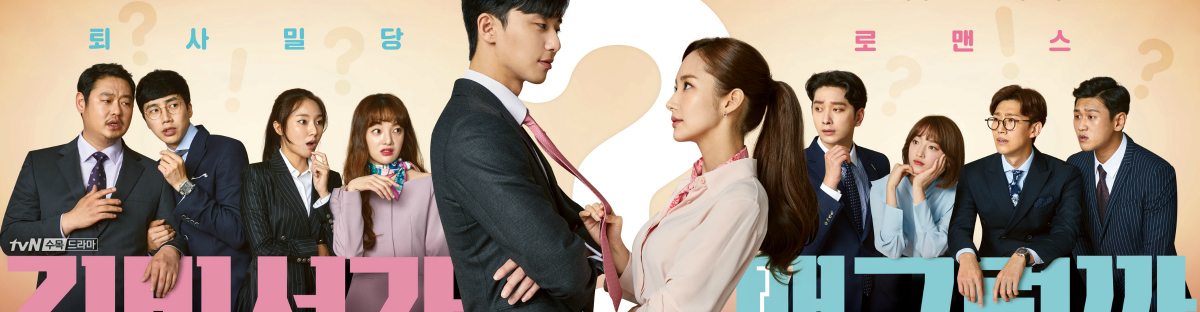
Characters in K-dramas, like the sweet and innocent couples from What’s Wrong with Secretary Kim? or When the Camellia Blooms, remind us that sometimes, love is best savored slowly. There’s a beauty in the uncertainty, in not rushing into things. This slow-burn romance aligns with what many people today are seeking — deeper emotional intimacy, genuine connections, and patience.
Love as a Journey, Not Just an End Goal
One of the striking differences between Western romantic narratives and K-drama love stories is the way both cultures approach the journey of love. In many Western films and shows, the primary focus is often on the end goal — the happily-ever-after. Once the characters declare their love, the story is usually over.
In contrast, K-dramas tend to explore the complexities and challenges of love after the couple gets together. There’s a growing focus on the trials they face, both as individuals and as partners, and how they grow together over time. In Goblin, we see not just the emotional intensity of the relationship between the main leads, but also their growth, their healing, and how love can evolve, even through pain and loss.
This subtle shift in focus has influenced real-life expectations of relationships. Younger generations are starting to embrace the idea that love isn’t just about finding “the one.” It’s about building something lasting and real with someone, understanding that struggles and challenges will come, but they’ll be faced together. This perspective fosters a more sustainable, grounded approach to relationships in a world obsessed with “the perfect match.”
The Power of Emotional Vulnerability in Dating
K-Dramas have also introduced the power of emotional vulnerability in relationships. Characters like Lee Gon from The King: Eternal Monarch or the strong female lead in Strong Woman Do Bong-soon often break down their tough facades to reveal raw, authentic feelings. This emotional transparency is key in building strong, meaningful relationships, but it’s often seen as a rarity in modern dating culture, where people hide behind screens and curated images of themselves.
Yet, K-dramas show us that true connection only happens when characters are willing to open up and expose their vulnerabilities. This approach encourages viewers — and perhaps those who are dating in real life — to take a deeper look at their emotional walls. Being emotionally vulnerable, without fear of judgment, is not just a plot device, but an essential ingredient for intimacy.
In It’s Okay to Not Be Okay, the characters grapple with their past traumas and insecurities, yet they still manage to build supportive relationships. This type of emotional honesty, often absent in the fast-paced nature of modern dating, resonates deeply with those seeking genuine emotional connections.
K-Drama’s Influence on “The One That Got Away” Phenomenon
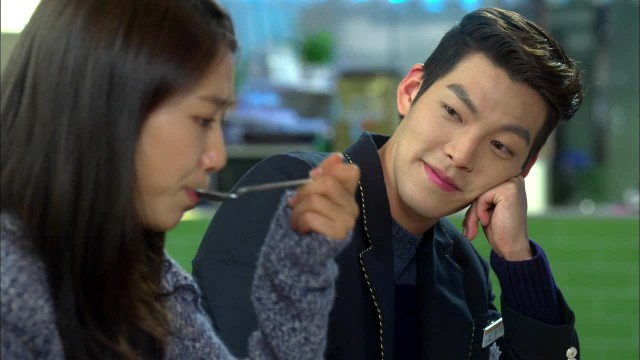
If there’s one thing that many K-dramas excel at, it’s the “will they, won’t they” tension that keeps us hooked from start to finish. But what’s perhaps even more poignant is the theme of “the one that got away” — the lost love or the missed connection that leaves characters, and viewers, wondering “what could have been.”
This concept, often explored in dramas like Replay 1997 or The Heirs, plays into the universal fear of regret and missed opportunity. The characters who reflect on their lost love often come to terms with the fact that it wasn’t meant to be. Yet, the lesson isn’t about regret; it’s about closure and learning from past relationships. The idea that you’re not defined by the one that got away — but shaped by the lessons it brought.
In today’s dating world, with the swipe of a finger, it’s easy to think of past relationships as failed or wasted. But the “one that got away” story arc in K-dramas offers a refreshing perspective: not every love story has to end in a perfect happy ending. Sometimes, the story is valuable simply because it teaches us about ourselves, about love, and what we’re truly looking for in our next partner.
The K-Drama Effect on Modern Dating Etiquette
Finally, let’s talk about how K-dramas influence the social rules of dating. K-dramas often revolve around acts of kindness, respect, and unwavering loyalty. These ideals have quietly influenced real-world dating etiquette.
For example, the importance of respecting each other’s boundaries is emphasized in many K-dramas. In While You Were Sleeping, the couple’s emotional journey is grounded in mutual respect and understanding, instead of grand, unrealistic gestures. Similarly, My Love from the Star highlights the significance of being there for your partner, not just during the exciting moments, but also when they’re at their lowest.
This level of emotional maturity has influenced how younger generations approach dating. Rather than focusing solely on external appearances or immediate gratification, many people today are seeking deeper qualities like emotional intelligence, communication, and respect.
Conclusion: K-Drama’s Modern Dating Legacy
K-dramas offer a unique window into the complexities of modern relationships. They give us something more than just entertainment; they offer a guide to navigating love with patience, vulnerability, and sincerity. These dramas show us that love is a process — not an immediate result. It’s a journey, not a destination.
So, next time you find yourself caught up in the emotional tension of a K-drama romance, remember: it’s not just about the characters on-screen. It’s a mirror to the type of love we should all strive for — one that values growth, vulnerability, and emotional connection. In a world full of fleeting connections, K-dramas remind us that the most meaningful relationships are those that evolve over time.
