
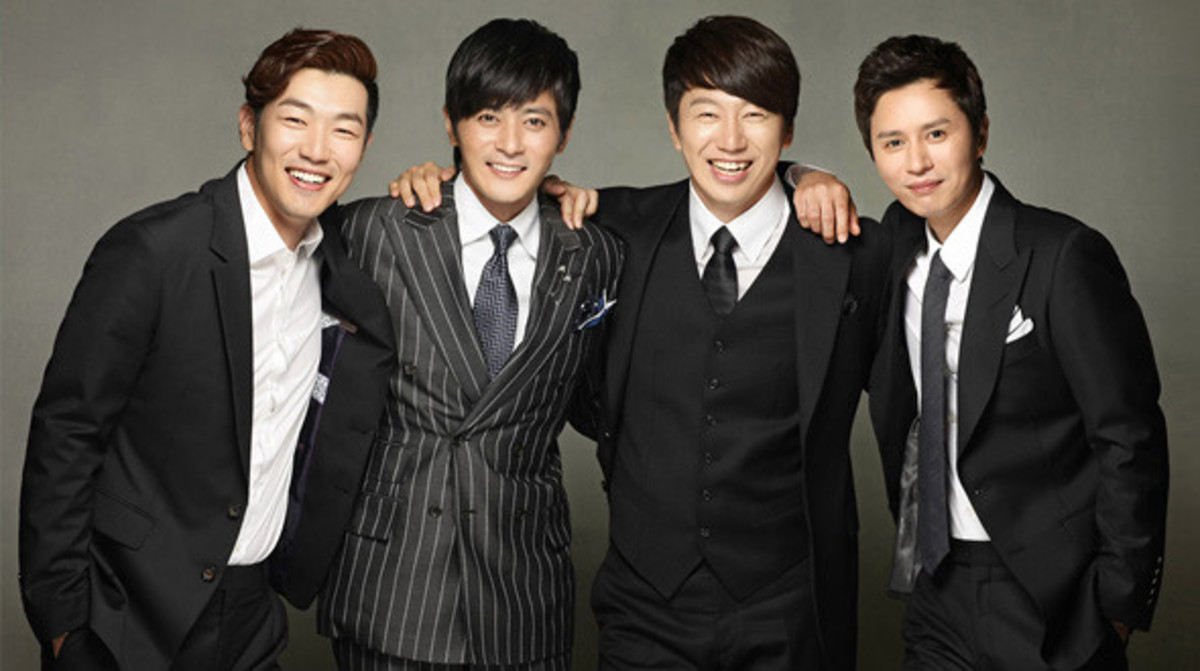
You can’t scroll through social media these days without bumping into a K-drama clip — a heartwarming reunion, a betrayal, or a quiet scene where two friends share soju under city lights. While romance often gets all the spotlight, something deeper has been happening behind the scenes: K-dramas are reshaping how we think about friendship in adulthood.
They show that companionship doesn’t always come from perfect alignment but from shared vulnerability — and that, honestly, feels revolutionary in an age of surface-level connections.
The Rise of “Chosen Family”
In many K-dramas, especially in hits like Reply 1988 or Hospital Playlist, friends aren’t just side characters. They’re family. They’re the ones who show up when love fails, when parents don’t understand, or when life hits hard.
These stories reflect a growing reality among younger generations who often live far from home, juggling careers and loneliness. Friendship becomes the emotional anchor, and watching it unfold feels both comforting and aspirational.
There’s something so relatable about seeing a friend quietly leave a snack on someone’s desk or show up uninvited because they just know. That small gesture carries more emotional truth than a thousand grand romantic scenes.
Vulnerability Is the New Strength
K-dramas have mastered the art of depicting vulnerability without making it feel weak. Characters cry in front of their friends, confess insecurities, or share failures — moments that break from the traditional stoic hero narrative.
Think of My Liberation Notes: the characters don’t just bond over victories but over mutual exhaustion. Watching them feels like permission to let your guard down, to admit you’re tired too. That’s the quiet beauty of it — these dramas normalize emotional openness as part of friendship.
The Unspoken Intimacy of Everyday Moments
Not every friendship in a K-drama is loud or dramatic. Sometimes it’s just sitting together in silence. That unspoken comfort — the ability to not talk and still feel seen — is something many viewers long for in real life.
The mundane details — sharing instant noodles, waiting for a bus, late-night karaoke — build emotional texture. When we binge these shows online (yes, on sites like Drama Cool), what we’re actually craving isn’t just entertainment. It’s recognition. The reminder that intimacy can be simple, quiet, and profoundly human.
Beyond Gender Lines

Another refreshing shift is how modern K-dramas handle friendships across genders. Gone are the days when every male-female dynamic led to romance. Shows like Crash Landing on You or It’s Okay to Not Be Okay explore companionship that transcends typical romantic expectations.
These relationships challenge viewers to rethink emotional expression — especially for men. Tenderness, emotional honesty, and mutual respect are portrayed as strengths, not threats. It’s subtle, but it’s reshaping gender norms through storytelling.
What We Can Learn
Here’s what I’ve realized after years of watching (and rewatching) these shows: K-dramas remind us that friendship deserves the same narrative weight as love. It’s not a subplot; it’s the story.
They teach us to check in with our friends, to show up even when we don’t know what to say, to celebrate small wins, and to stay through the awkward silences. They normalize imperfection — the messy, loyal, sometimes frustrating, always comforting kind of friendship that sustains us.
Maybe that’s why these stories hit so deeply. They mirror what we all crave — to be understood without needing to explain ourselves.
A Soft Reminder for Modern Viewers
If you’ve been watching K-dramas online lately, try paying attention to the side plots. They’re often where the real heart of the show lives. And if you’re looking for a place to explore these nuanced stories, Drama Cool makes it easy to rediscover or rewatch those quiet friendship arcs that deserve a second look.
So next time you stream a drama, don’t just focus on the leads — notice who’s sitting beside them, laughing, crying, listening. That’s where the real connection happens.
Because in the end, love stories may draw us in, but friendship stories are what stay with us.
