
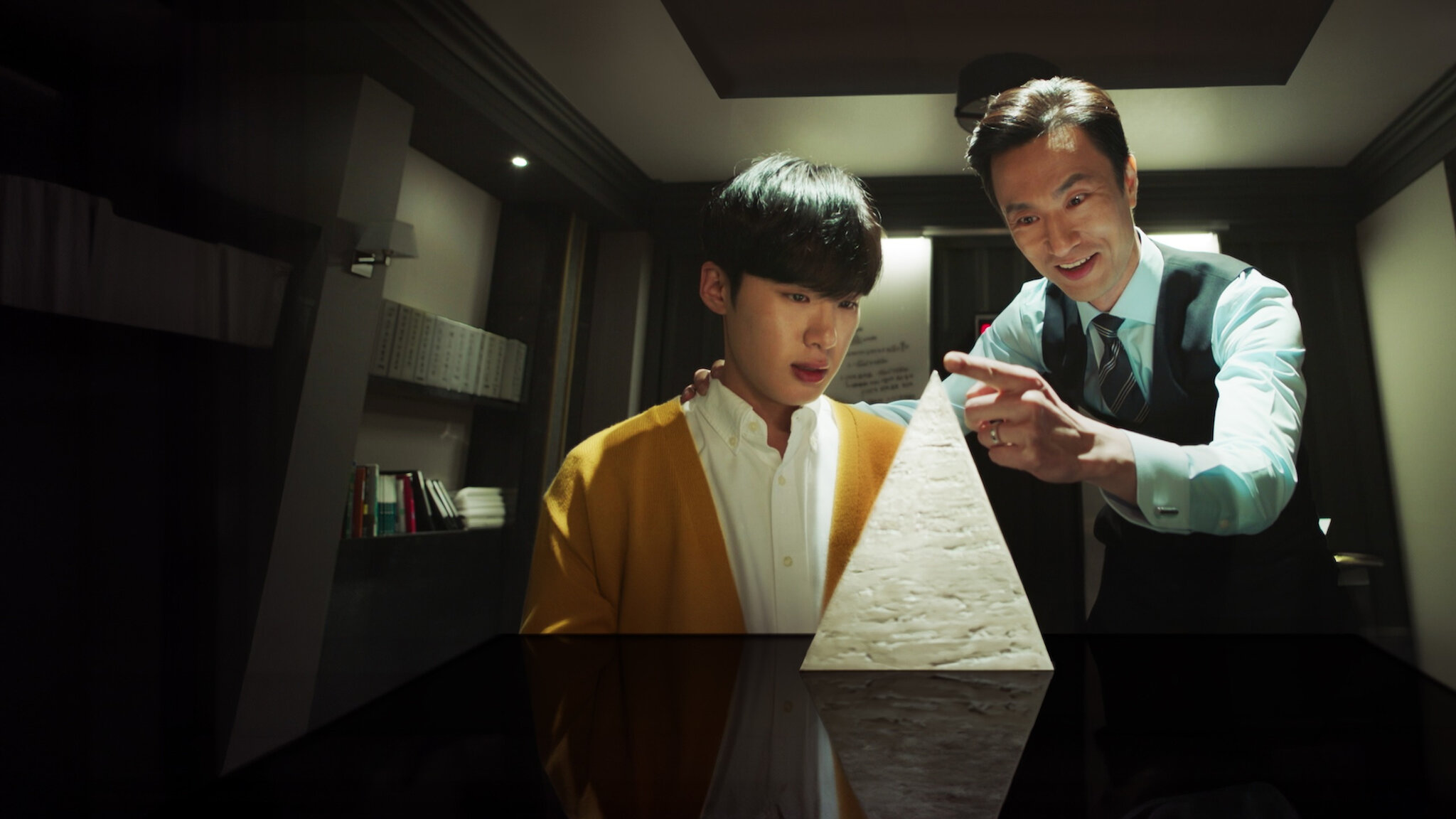
It’s easy to binge a K-drama just for the plot twists or romantic tension, but if you look closer, there’s something more subtle at work: your emotional intelligence is getting a quiet workout.
From tearful family confrontations to heart-wrenching love triangles, K-dramas expose viewers to a broad spectrum of human emotion. The characters’ experiences often mirror real-life situations, giving audiences a unique opportunity to practice empathy, emotional reflection, and interpersonal understanding — all from the comfort of their living room.
Walking in Someone Else’s Shoes
K-dramas often shine in portraying diverse perspectives. In It’s Okay to Not Be Okay, the story dives deep into the psychological scars of its characters, revealing childhood trauma, grief, and complex family dynamics. For viewers, this isn’t just storytelling; it’s a form of emotional role-play.
Watching a character navigate grief or betrayal challenges you to consider what you might do in a similar situation. Over time, this repeated engagement with varied emotional landscapes improves one’s ability to understand and relate to others in real life.
It’s a bit like volunteering for emotional training: you’re seeing life from someone else’s perspective without having to experience the pain yourself, yet your mind is learning to connect, empathize, and respond compassionately.
The Subtle Art of Conflict Resolution
Another way K-dramas build empathy is by showing conflict resolution in action. Many series feature intense interpersonal struggles — workplace tensions, romantic misunderstandings, or family disputes — and the resolutions often involve thoughtful communication, compromise, and self-reflection.
Take My Mister, for example. Its narrative isn’t about dramatic confrontations but about quiet understanding. Watching characters navigate misunderstandings with patience and emotional insight subtly teaches viewers that conflicts are best resolved through empathy rather than aggression.
This has a ripple effect. Fans often report that after watching these dramas, they find themselves approaching real-life arguments with more patience and consideration. It’s not magic — it’s repeated exposure to well-modeled emotional behavior.
Lessons in Vulnerability and Self-Expression
K-dramas excel at depicting vulnerability in ways that feel natural. Emotional honesty is often a central theme: characters reveal fears, insecurities, and dreams, sometimes clumsily, sometimes in deeply moving moments.
In Twenty-Five Twenty-One, characters openly share their anxieties and disappointments, modeling emotional transparency in friendships and romantic relationships. As a viewer, seeing vulnerability portrayed without judgment encourages you to reflect on your own feelings and how you express them.
This can lead to increased self-awareness and empathy toward others. When you witness someone articulating their deepest fears and desires on screen, it becomes easier to recognize and validate similar emotions in your own life or in those around you.
The Role of Side Characters in Emotional Learning
It’s not only the protagonists who teach empathy. Side characters often embody complex traits: jealousy, insecurity, kindness, or moral conflict. These supporting roles highlight that people are multidimensional, reminding viewers that no one is simply “good” or “bad.”
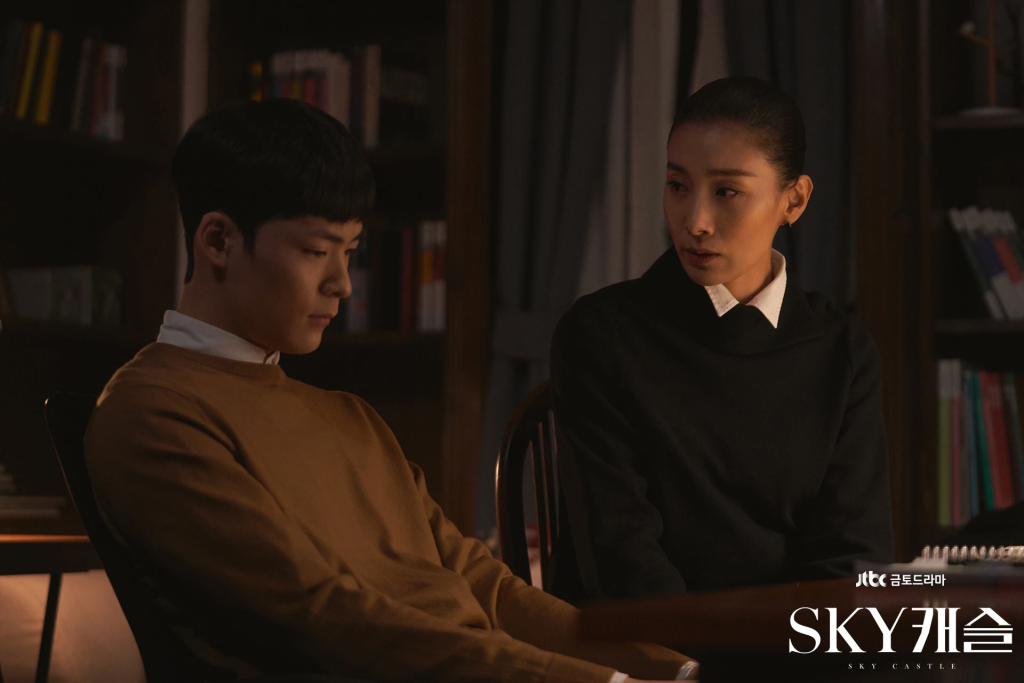
For example, in Sky Castle, even the seemingly antagonistic characters are given backstories that contextualize their choices. Understanding their motivations requires viewers to practice empathy, to see beyond surface behavior and consider underlying causes.
This exposure reinforces the idea that real people are nuanced, and judgments should be tempered with understanding. For many viewers, this is one of the most valuable takeaways: emotional intelligence isn’t just about managing your own feelings but about interpreting others’ with depth and care.
Practical Takeaways for Everyday Life
So, how can the lessons of K-dramas translate into tangible skills?
- Active Listening: Pay attention to the emotions behind words, as K-drama characters often communicate more through expression than dialogue.
- Reflective Responses: Instead of reacting impulsively, pause and consider multiple perspectives, just like many K-drama protagonists do before responding.
- Emotional Journaling: Take notes on moments that made you empathize with a character — it strengthens your ability to recognize and name emotions.
- Conflict Modeling: Observe how characters resolve disputes calmly and constructively; apply similar strategies in real-life situations.
By intentionally reflecting on these narrative moments, viewers can turn entertainment into personal growth.
Why Streaming Platforms Matter
Platforms like Drama Cool make it easy to access a wide range of K-dramas, exposing viewers to various emotional landscapes quickly and consistently. Bingeing responsibly allows for immersive experiences that provide both enjoyment and emotional learning. The convenience of streaming means viewers can explore series from different genres — romance, mystery, workplace drama — all of which present unique challenges and emotional contexts.
Conclusion: Entertainment That Teaches Empathy
K-dramas offer more than engaging stories; they are subtle educators of human emotion. By walking in the shoes of characters, witnessing conflicts, and observing vulnerability, viewers refine their emotional intelligence without even realizing it.
In a world where emotional detachment is common and digital interactions dominate, these dramas provide a rare opportunity to reconnect with the subtleties of human experience. Watching K-dramas isn’t just entertainment — it’s empathy in action, a gentle reminder that understanding others is both an art and a skill.
So next time you binge-watch a K-drama, notice not just the plot twists or romance, but the lessons in human connection. Your emotional intelligence might just be the unexpected bonus.
